
#134 Making a better Allstar Node
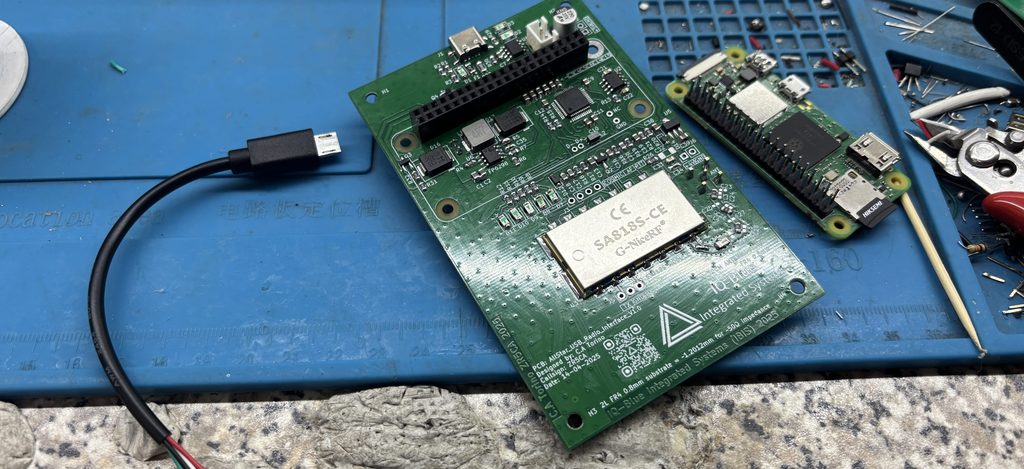
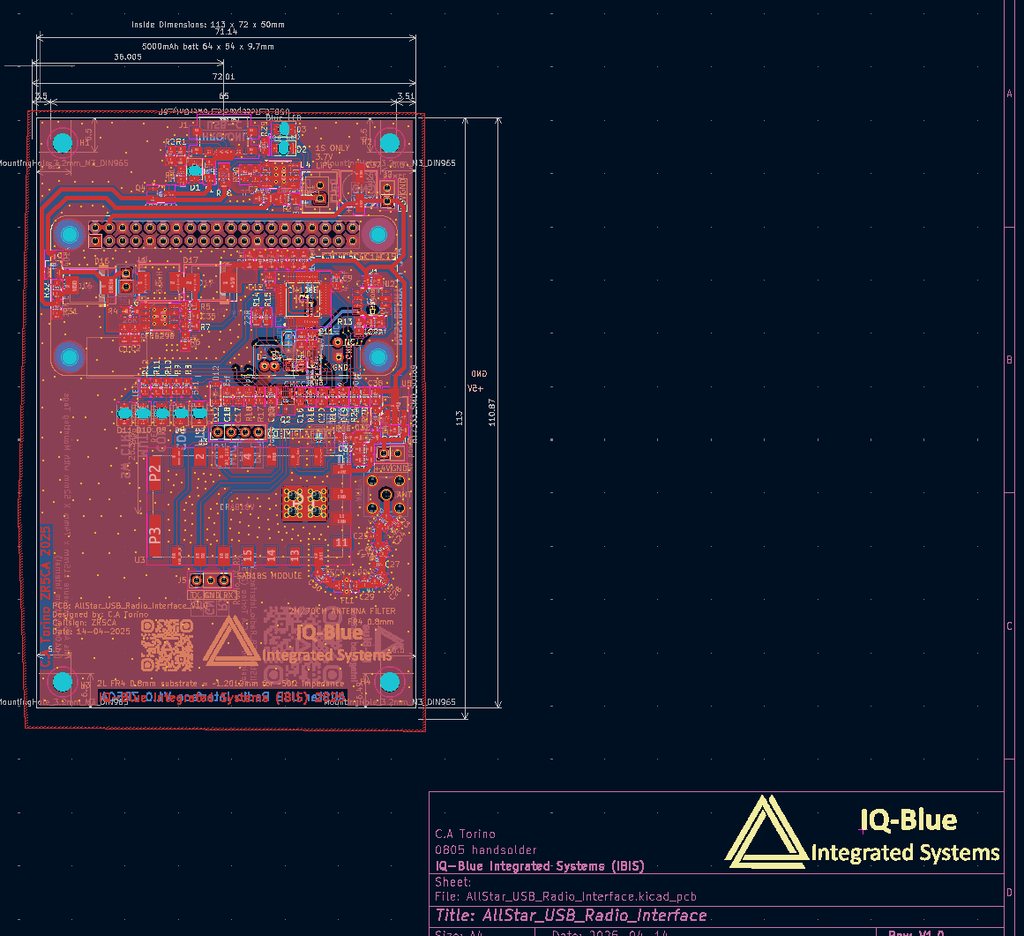
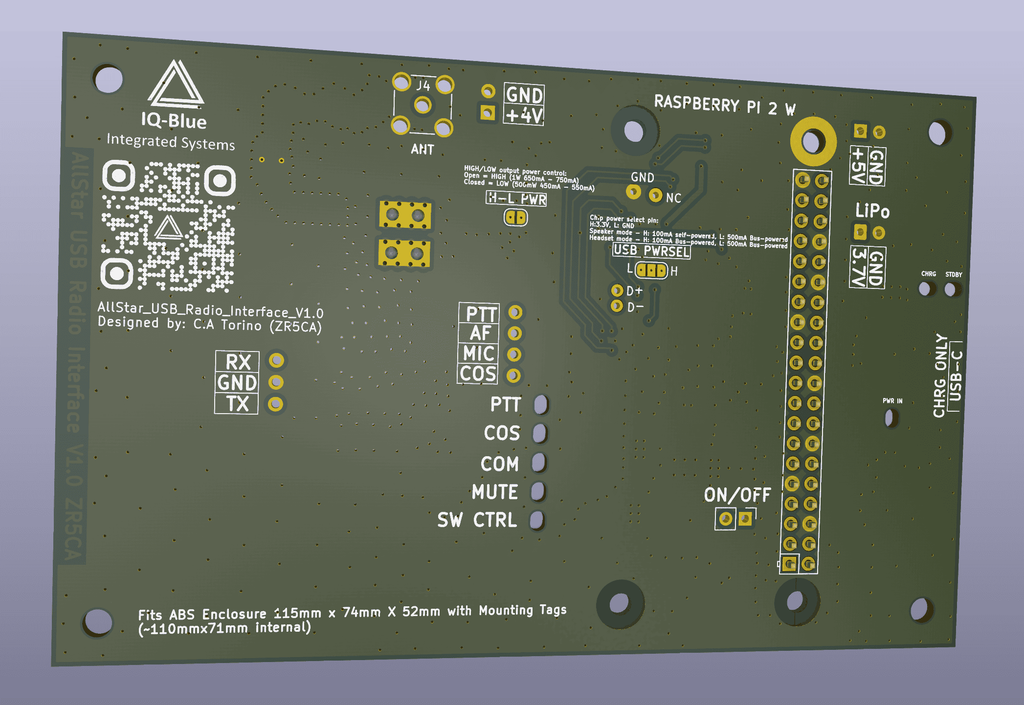
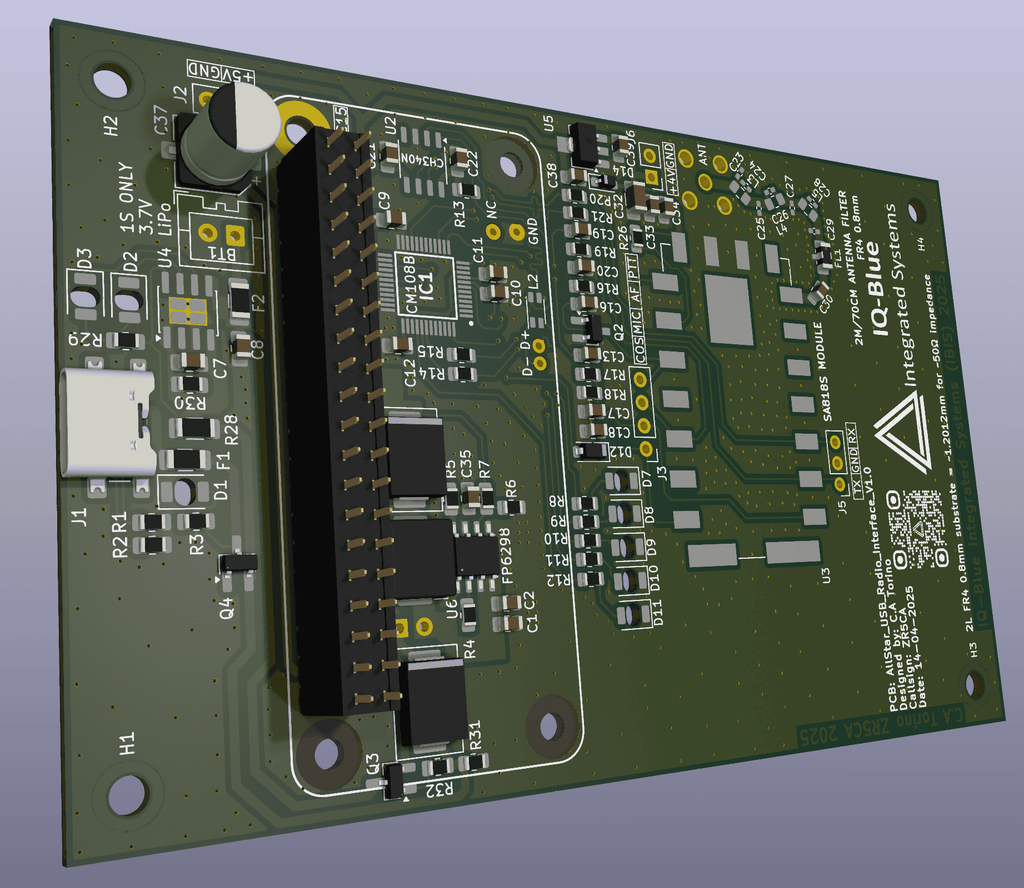
While looking for solutions to connect to my radio clubs repeater systems. I considered a few solutions, eventually I settled on the Allstar asterisk system. This allowed us to connect analog radio signals over the internet similar to traditional repeaters without sounding too much like a VOIP system.
The system was created by a ham for hams with lots of settings and capabilities as well as tons of customization options. This sounds complicated but it doesn’t have to be. The beauty of the system is that you can decide to just buy a node or voter or make your own hardware. There’s options to cater to a large range of ham operators, there’s even commercial licensing (asterisk) and systems for business operators which is also nice. Having options is always good in a robust communication network.
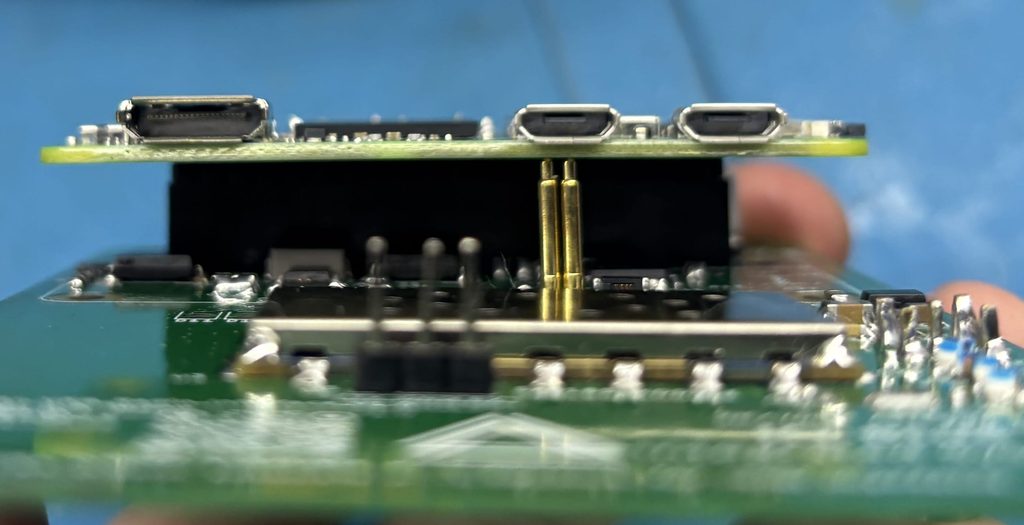
After making a few DIY nodes I wanted to make my own complete professional PCB node unit with quite a few requirements.
Namely:
- 0805 parts.
- Affordable and efficient as possible but also prototype friendly.
- Easy layout for quick soldering.
- Extra fuses and protection.
- Reverse polarity protection USB-C.
- Built in battery (LiPo pillow cells) commonly available & large capacity.
- Short or limited no (wires flopping around)
- Good grounding.
- Good 50v or 35v capacitors.
- Calculate PCB thickness/shielding and filtering for 50ohm impedance.
- Solder bridge points and lots of headers for testing and debugging.
- Antenna fits in a monopole way so try have decent ground plane.
- Built in efficient linear charging circuit (avoid noise as much as possible)
- Power path circuitry to allow charge and power (need good wall adapter)
- Built in step up to 5v high current for PI and radio.
- 5v step up converter with high efficient and frequency (min 500khz)
- Use Raspberry PI zero 2W hat approach
- Pogo pins for USB data & choke
- CH340 type of UART to TTL IC for programming SA818.
- USB differential pair tuning.
- 4v linear regulator for filtering before powering radio module.
- Uses SA818 modules (UHF/VHF FM capability)
- Ability to connect any radio if needed (so not forced to use the SA818 module)
- Proper radio filtering for UHF/VHF FM options.

After taking all these points into consideration I was able to do a bit of research and just a tiny bit of testing and then some more testing and then some more… Finally I was happy with the PCB I had sourced a decent box and design concept and all the parts allocated. I calculated all the costs at time of purchase and manufacture and sent to Gerbers off.
A few weeks later I was greeted with some decently manufactured PCBs.
On fitting the actual PCB to my enclosure I noticed the edges needed to have a more aggressive chamfer… Which I was able to do manually with a metal file tool. I did this outside with eye protection and a proper mask with respiratory particle filter. FR-4 carbon fiber dust in no joke.

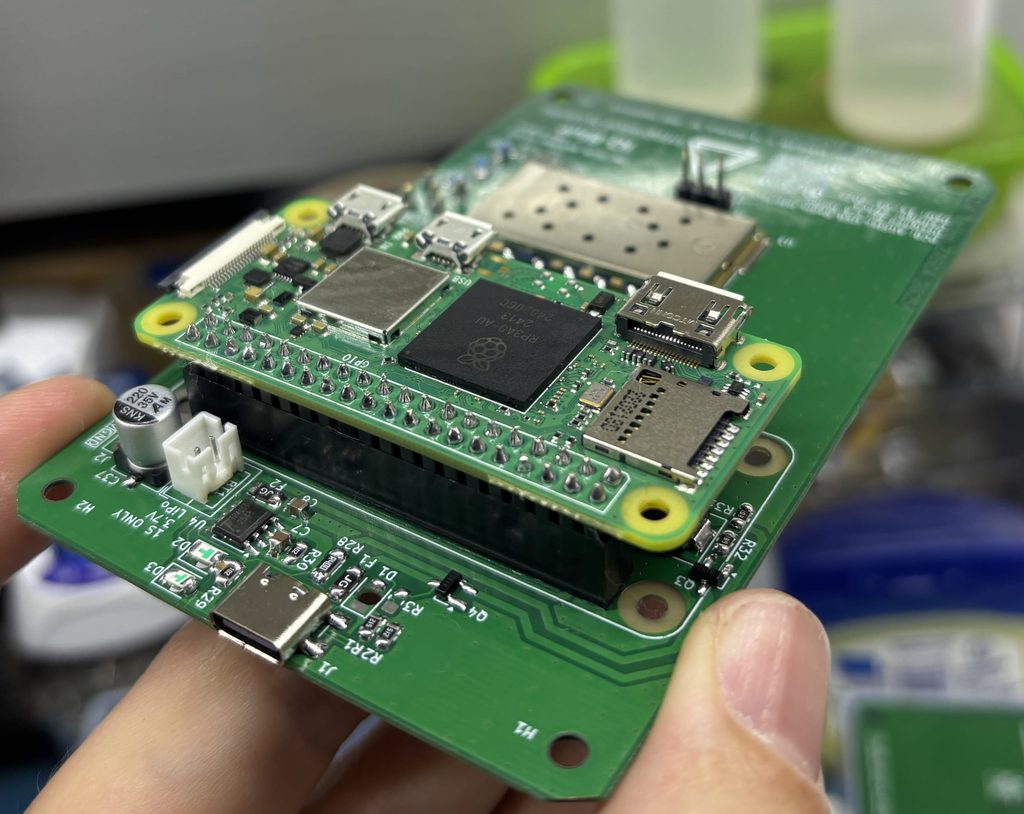
After about a year of testing and playing around with different configurations I’m quite happy that this project worked out really well.
The two biggest concerns are chip availability and time designing, researching and developing.
Creating a commercial version of any project or product has a few other challenges, the big one being “bureaucracy” sadly there’s not much that can be done and “the process” can never be trusted.. we can only suffer through it and hope to be a better person at the end of the day.
Video demonstration here.


